- Itching or irritation of the nose, eyes, throat or skin
- Mysterious skin rashes
- Sinus infections or congestion / sinusitis (running nose)
- Respiratory problems (sneezing and coughing)
- Upper or lower respiratory infections
- Fatigue
- Frequent headaches
- Trouble concentrating, memory lapses, confusion
- Mood swings, anxiety, depression
- Chronic aches and pains
- Digestive problems
-
- Why is Mold Growing in My Home?
- Molds are part of the natural environment. Outdoors, molds play a part in nature by breaking down dead organic matter such as fallen leaves and dead trees, but indoors, mold growth should be avoided. Molds reproduce by means of tiny
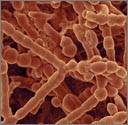 spores; the spores are invisible to the naked eye and float through outdoor and indoor air. Mold may begin growing indoors when mold spores land on surfaces that are wet. There are many types of mold, and none of them will grow without water or moisture. However, mold will lie dormant until moisture arrives. spores; the spores are invisible to the naked eye and float through outdoor and indoor air. Mold may begin growing indoors when mold spores land on surfaces that are wet. There are many types of mold, and none of them will grow without water or moisture. However, mold will lie dormant until moisture arrives.
Inspection and Sampling
A visual inspection is the
initial step in identifying possible contamination
problems. It will identify any
visible water leaks or moisture stains using
moisture meters, boroscopes,
and thermal imaging on ceilings, walls floors or under counters.
The air conditioning/ Heating systems, attics, foundations, and crawlspaces
will be
inspected as well. The inspection will determine if sampling is needed
and where the air, tape, swab sampling will take place. The samples are then
sent to the laboratory for analysis

Air Sampling - is used to determine the type and amount of contamination
in a building. Both interior and exterior sampling is performed so results
can be compared and the severity of the problem may be measured.
Tape/Swab Sampling- are used to collect samples from
visible moldy
surfaces to identify specific types of molds.
- How Do I Get Rid of Mold?
- It is impossible to get rid of all mold and mold spores indoors; some mold spores will be found floating through the air and in house dust. The mold spores will not grow if moisture is not present. Indoor mold growth can and should be prevented or controlled by controlling moisture indoors. Once the mold circumstance has been evaluated, action can be planned to clean up and or Remediate to prevent future
contamination. If there is mold growth in your home, you must clean up the mold and fix the water problem. If you clean up the mold, but don't fix the water problem, then, most likely, the mold problem will come back.
Please note: Dead mold may still cause allergic reactions in some people, so it is not enough to simply kill the mold, it must also be removed.
|
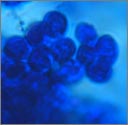 Molds produce tiny spores to reproduce. Mold spores waft through the indoor and outdoor air continually. When mold spores land on a damp spot indoors, they may begin growing and digesting whatever they are growing on in order to survive. There are molds that can grow on wood, paper, carpet, and foods. When excessive moisture or water accumulates indoors, mold growth will often occur, particularly if the moisture problem remains undiscovered or addressed. There is no practical way to eliminate all mold and mold spores in indoor environment; the way to control indoor mold growth is to control moisture.